
Fairway woods and hybrids are your go-to clubs for long shots when you’re not on the tee. Built to cover distance from the fairway, the rough, or even the tee box itself, with more forgiveness and control than a driver. Whether you need a 3-wood for a long par 5 or a hybrid to escape thick rough, the right loft makes all the difference. Buying secondhand means you can build out a full set without the new-retail price tag. Every club below has been graded using our own Club Grading Index, so you know exactly what you’re getting.
-
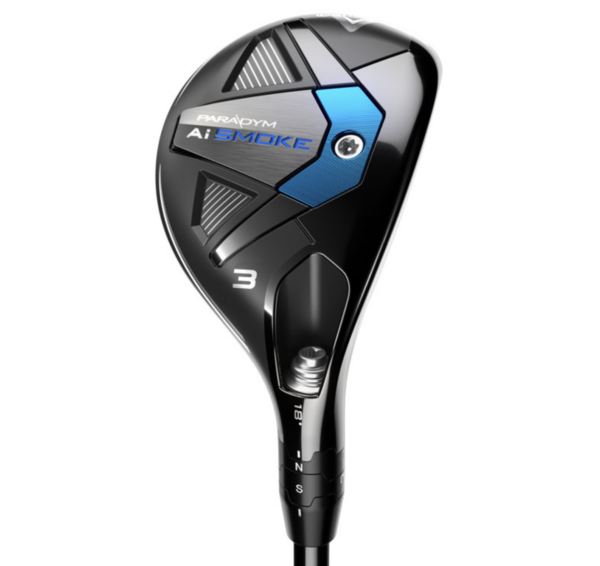
Callaway AI Smoke 3-Hybrid
$214.99Ai Smart Face technology and a forgiving, easy-launch head make this 3 hybrid your go-to for bombing it from the tee or ripping it clean… -
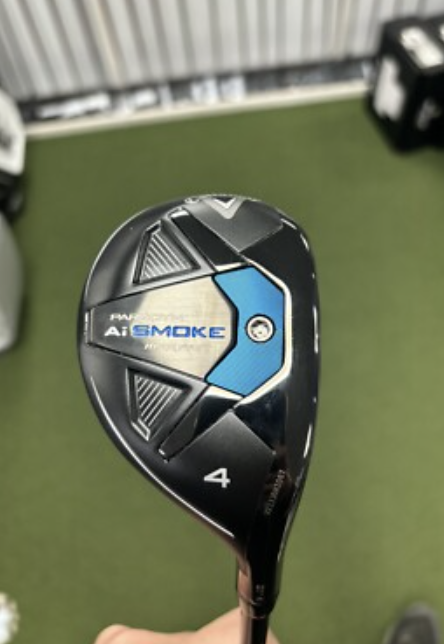
Callaway AI Smoke 4-Hybrid
$224.99Ai Smart Face technology and a forgiving, easy-launch head make this 4 hybrid your go-to for attacking long par 3s and tricky lies — with… -
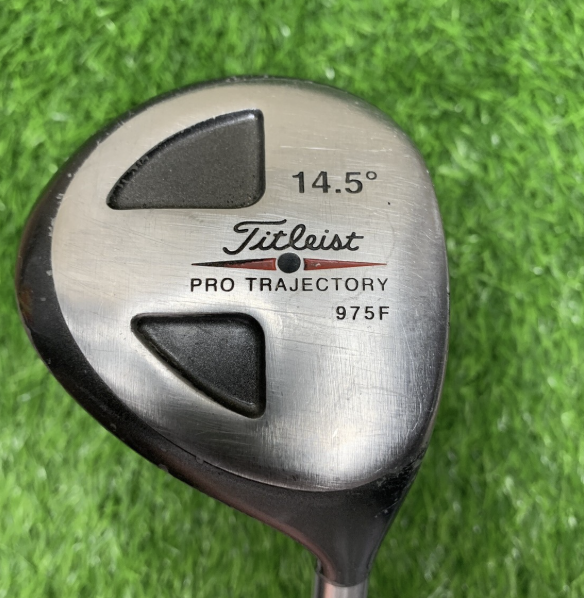
Titleist 975 Pro Trajectory 7 Wood
$22.99Classic Titleist feel with a stable, pear-shaped head — the 975F 7 Wood delivers a high, penetrating flight and true workability that's stood the test… -
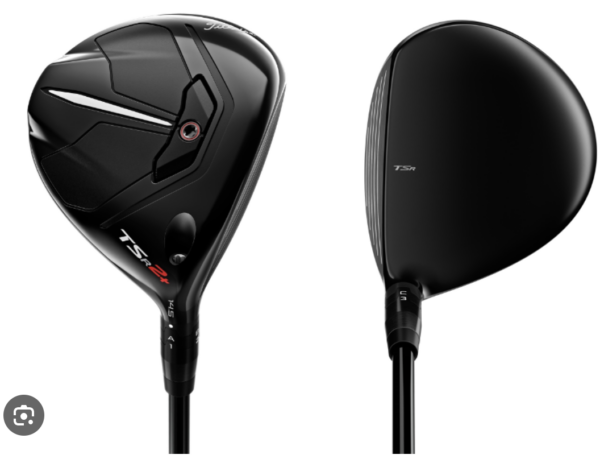
Titleist TSR2 3 Wood
$199.99Short blurb: High, far and forgiving — the TSR2's ultra-low CG and SureFit hosel give you tour-level speed with easy, consistent launch off the tee… -
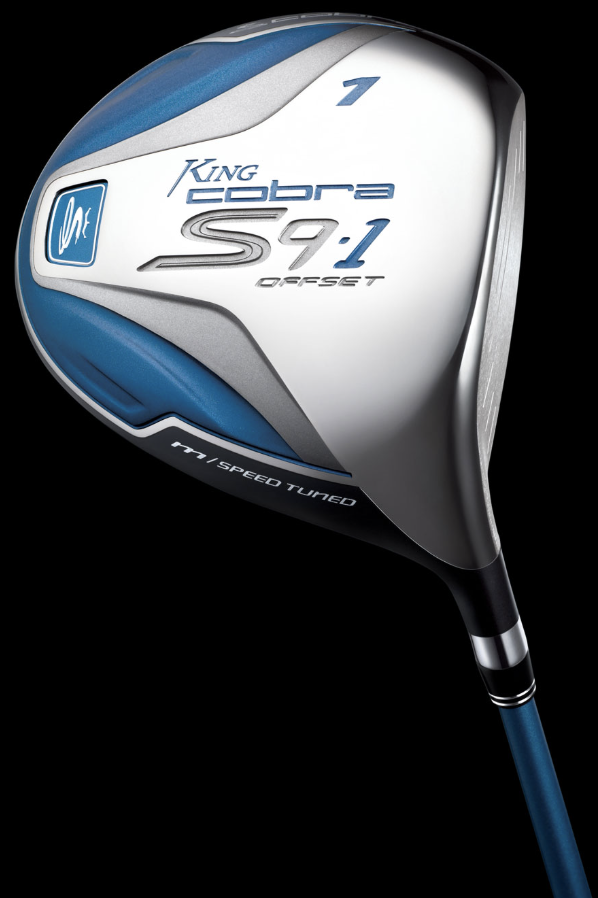
Cobra S9-1 Offset 3 Wood
$23.99Built to help you square the face — the S9-1 Offset's low CG and forgiving "Hotter 9 Points" design deliver high, straight, consistent flight for… -
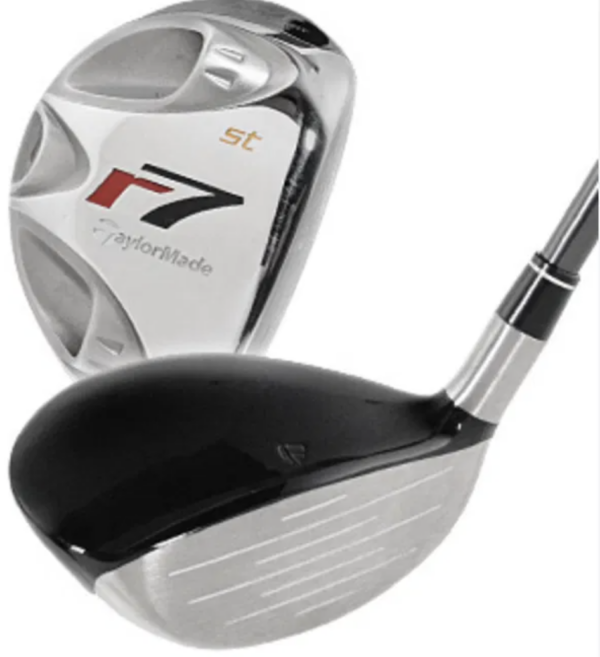
TaylorMade r7 ST 3 Wood 15°
$18.99Movable weight technology meets a tour-proven shape — the r7 ST lets you shift your CG to shape shots and launch it high, straight, and…
Woods and hybrids fill the gap between your driver and irons, but they're not interchangeable — each is built for a different job.
Fairway woods are numbered by loft, and the number tells you what to expect. A 3-wood (around 15°) is the longest and lowest-flying, best used off the tee or from a tight fairway lie when you've got room to let the ball run. A 5-wood (around 18°) is more versatile, easier to launch, and a strong choice from the fairway or light rough. A 7-wood (around 21°) is shorter but more forgiving and better suited to getting the ball up quickly from tricky lies. A 9-wood (around 24°) plays almost like a long iron replacement — high-launching and easier to control, ideal for shots into greens from distance.
Hybrids combine the distance of a wood with the control of an iron. Their compact head and higher centre of gravity make them far more effective than a long iron or wood from the rough, where they cut through grass more easily and launch the ball higher with less effort. From the fairway, they're reliable and consistent, especially for mid-to-long approach shots. Off the tee, hybrids offer more consistency than woods for players who struggle with accuracy, trading a bit of distance for a much higher strike rate.
In short: lower-numbered woods for maximum distance and roll, higher-numbered woods and hybrids for control, consistency, and tricky lies.
New or secondhand, what actually changes?
A secondhand fairway wood or hybrid performs exactly the same as the same model bought new, the loft, face technology, and shaft spec don't change with a previous owner. What changes is cosmetic condition: face wear, shaft scuffs, grip tackiness. That's the one thing worth checking properly before you buy, which is why every club here is graded rather than just photographed and listed.
Buying secondhand, with confidence.
As with every club on Green Grade Golf, our woods and hybrids are scored using our own Club Grading Index — assessing the sole and back, face, shaft, and grip, each out of 10, for a total out of 40. That score maps to a clear quality tier — Pristine, Elite, Performer, or Reliable — so you always know the condition before you buy.
Common questions:
Should I buy a fairway wood or a hybrid?
Fairway woods suit players with room to let the ball run and want maximum distance. Hybrids suit awkward lies, rough, and players who want more consistency than a long iron or wood provides.
Are secondhand woods and hybrids as good as new ones?
Yes. A well-graded secondhand club performs identically to the same new model. Only cosmetic wear differs, which is exactly what our Club Grading Index measures.
What does a club's grade actually tell me?
Each club is scored out of 40 across four areas — sole and back, face, shaft, and grip — and placed into a tier (Pristine, Elite, Performer, or Reliable), so you know its condition before you buy.
Not sure which one you need?
Ask Caddie.
If you're unsure whether a 5-wood or hybrid suits your game, Caddie can help. Tell it about your typical lies, swing speed, and where you're struggling for distance or consistency, and it'll filter our current stock to the woods and hybrids that actually fit — pointing you toward graded options that match your game and your budget.