Are Second-Hand Golf Clubs Actually Worth It?
By Green Grade Golf on September 16, 2026
Starting golf isn’t cheap.
Once you’ve paid for green fees, balls, shoes and maybe a few lessons, spending hundreds — or even thousands — of pounds on brand-new golf clubs can be difficult to justify.
So, are second-hand golf clubs actually worth it?
The short answer: yes.
For most beginner golfers, second-hand golf clubs can offer excellent value for money. You can often get higher-quality equipment for your budget, avoid overspending on your first set and still benefit from plenty of modern golf technology.
The trick is knowing what to buy — and what to avoid.
In this guide, we’ll explain everything you need to know before buying used golf clubs, without drowning you in complicated golf terminology.
Second-Hand Golf Clubs at a Glance
| Why buy used? | What to watch for |
|---|---|
| Better clubs for your budget | Excessive wear |
| Great option for beginners | Damaged shafts |
| Access to premium brands for less | Worn-out grips |
| Less money committed to your first set | Clubs that don’t suit your swing |
| Easy to upgrade later | Deals that are too good to be true |
Why Are Second-Hand Golf Clubs So Much Cheaper?
Golf manufacturers regularly release new equipment.
When the latest driver or iron set arrives, previous generations usually become cheaper — even though they’re still perfectly capable golf clubs.
Think about it like buying a car that’s a few years old. It might not have every feature found on the newest model, but that doesn’t suddenly make it bad. Golf clubs are similar.
A quality driver that originally cost £400+ could become considerably cheaper after a few years. For a beginner, the performance difference between that club and the latest model may be far less important than the difference in price.
Older doesn’t necessarily mean worse.
Do Beginners Need the Latest Golf Clubs?
Almost certainly not.
When you’re learning golf, improvements to your swing, consistency and ball striking will usually make a much bigger difference than having the newest driver.
Buying the latest £500 driver isn’t suddenly going to turn you into Rory McIlroy. Unfortunately.
What is important is choosing clubs designed to make golf easier. And that brings us to one of the most important words for beginner golfers:
What Does “Forgiving” Mean in Golf?
You’ll see this term everywhere when shopping for clubs.
A forgiving golf club is designed to produce reasonable results even when you don’t strike the ball perfectly.
The ideal place to hit the ball is around the centre of the clubface, commonly called the sweet spot. As a beginner, you’re not going to hit it every time. Nobody does.
More forgiving clubs help reduce the punishment when you miss that perfect strike. That’s why beginners should generally look for game-improvement clubs rather than equipment designed for highly skilled players.
What Golf Clubs Does a Beginner Actually Need?
Here’s some good news: you don’t need 14 golf clubs to start playing.
Golfers are allowed to carry up to 14 clubs, but beginners can comfortably start with fewer. A simple beginner golf bag could contain:
Driver → Hybrid/Fairway Wood → Irons → Wedge → Putter
That’s enough equipment to learn the game before deciding which additional clubs you actually need. Let’s look at whether each one is worth buying second-hand.
Driver — Great to Buy Second-Hand
The driver is the big club you’ll typically use from the tee on longer holes. It’s also one of the most expensive clubs to buy new — that makes the second-hand market particularly attractive.
A driver that’s a few years old can still contain plenty of technology designed to increase distance and forgiveness.
Check before buying:
- No cracks in the clubhead
- No significant dents
- Shaft isn’t damaged
- Head isn’t loose
- Grip is still usable
Some scratches underneath the club? Don’t panic. That’s completely normal for a golf club that’s actually been used.
Irons — Probably the Best Place to Save Money
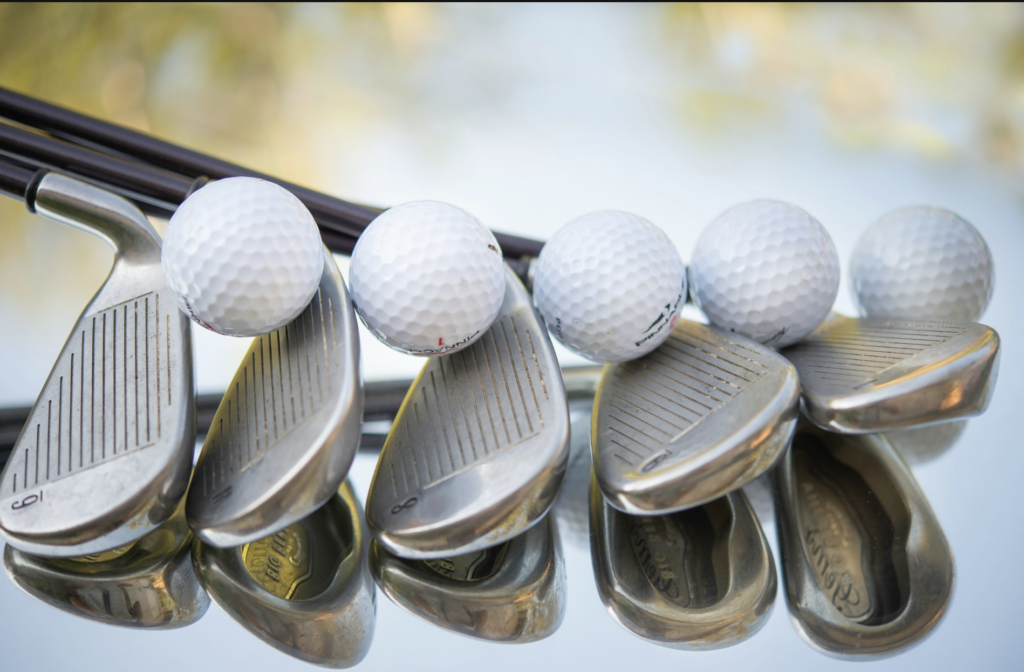
For beginners, a quality second-hand iron set can be a fantastic purchase. Your irons are the clubs you’ll use for many of your shots approaching the green.
They’re numbered — usually something like 5, 6, 7, 8 and 9 — with each club designed to hit different distances.
Look for irons described as “game improvement” or “forgiving.” These tend to have larger clubheads and designs that make getting the ball into the air easier.
A slightly older set of quality game-improvement irons can often make much more sense for a beginner than buying a cheap new set simply because it’s new.
Putters — Excellent Second-Hand Value
Putters can last for years. They’re used at relatively low speeds and don’t experience the same impact as drivers and irons — so there’s often very little reason a beginner needs to buy a brand-new putter.
You’ll generally come across two styles:
Blade Putter:
The traditional, smaller putter shape. Traditional names from this family are the Scotty Cameron Newport and the Ping Anser.
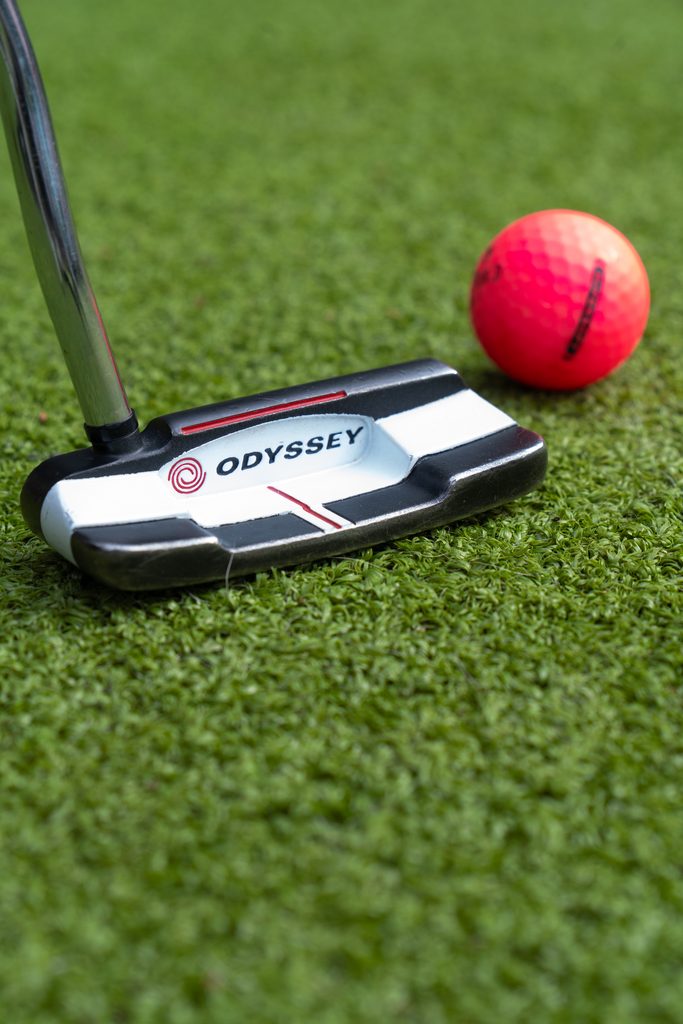
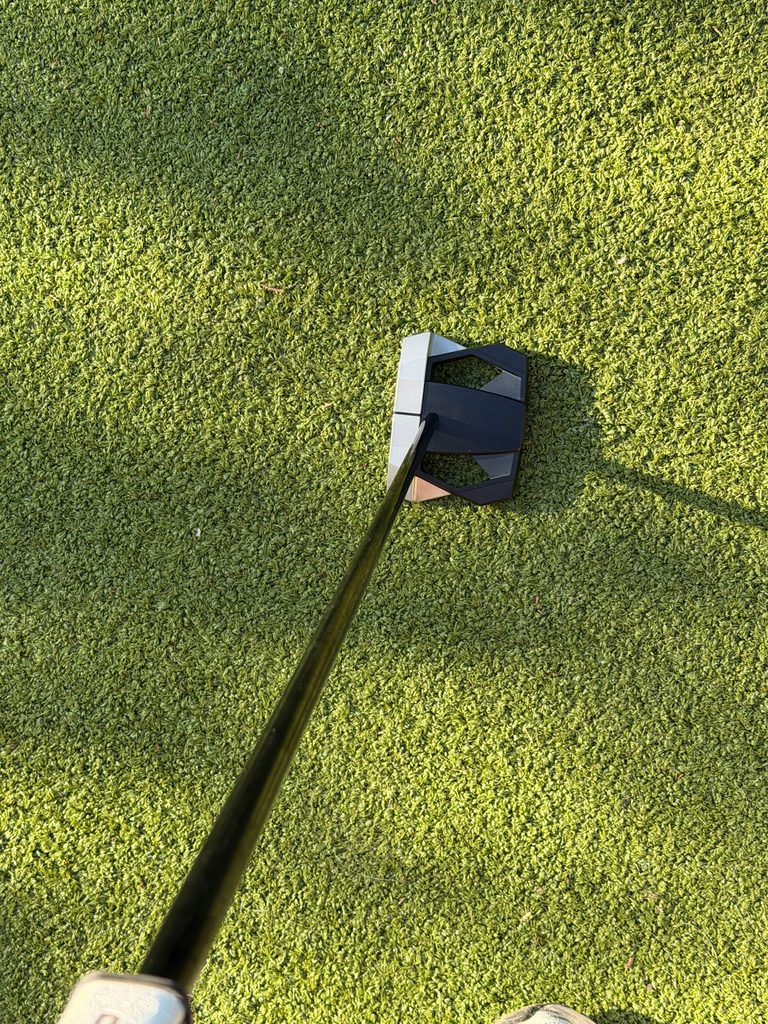
Mallet Putter:
A larger head that can provide additional stability and make alignment easier. Names from this family are Taylormade Spider and the Odyssey Jailbird.
There’s no universal “best” choice. The important thing is finding a putter that feels comfortable and gives you confidence when standing over the ball.
Wedges — Buy With a Little More Caution
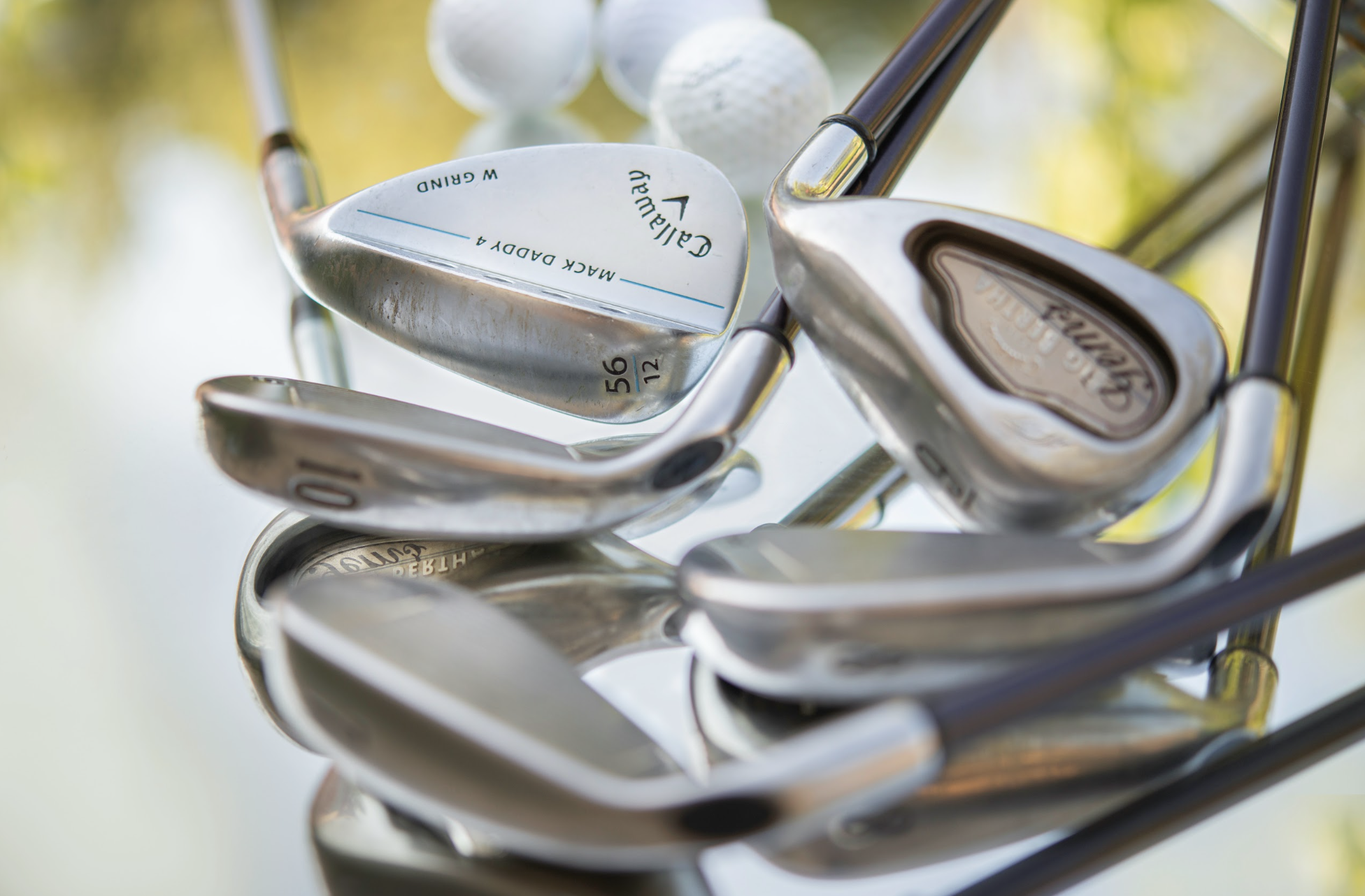
Wedges are the shorter clubs you’ll use for shots around the green, pitching and bunker shots. You’ll commonly see:
- PW — Pitching Wedge
- GW — Gap Wedge
- SW — Sand Wedge
- LW — Lob Wedge
Second-hand wedges can still represent excellent value, but condition matters more here. Why? Because wedges rely heavily on the grooves cut into the clubface. These grooves help create spin and control, and they gradually wear down through use.
A lightly used wedge? Great. A wedge that’s spent ten years being smashed out of bunkers? Probably one to avoid.
The 5 Things You Should Check Before Buying Used Golf Clubs
Not every second-hand golf club is a bargain. Before buying, check these five areas:
1. Clubface
Normal scratches and ball marks are expected. Look out for excessive wear, deep damage or an unusually worn hitting area.
2. Shaft
The shaft is the long section between the grip and clubhead. Avoid obvious bends, cracks or splits. Pay particular attention to damage on graphite shafts.
3. Grip
The grip is the rubber section you hold. If it feels extremely smooth, hard or slippery, it may need replacing. That’s not necessarily a deal-breaker — just factor replacement into the price.
4. Clubhead
Scratches are fine. Cracks, serious dents or loose components aren’t.
5. Price
Don’t assume “second-hand” automatically means “bargain.” Compare similar clubs and consider their age, original quality and current condition. Sometimes paying slightly more for a club in excellent condition is the smarter purchase.
What Is Shaft Flex — And Does It Matter?
This is one piece of golf terminology worth understanding before buying. Shaft flex describes how much the golf shaft bends during your swing. You’ll commonly see:
| Flex | Generally suited towards |
|---|---|
| Ladies | Slower swing speeds |
| Senior | Slower/moderate swing speeds |
| Regular | Moderate swing speeds |
| Stiff | Faster swing speeds |
| Extra Stiff | Very fast swing speeds |
Don’t make the mistake of choosing a stiff shaft because it sounds like it’s for “better golfers.” The best shaft is the one that suits your swing.
For many adult beginners, regular flex can be a sensible starting point, but swing speed, strength and technique all play a role. If you’re unsure, getting advice before buying can save you money later.
Cheap New Clubs vs Quality Second-Hand Clubs
Imagine you’ve got a limited budget for your first golf set. You could buy:
Option A
A Brand-New Budget Set
Advantages: Everything is new, convenient and usually comes as a complete package.
Disadvantages: The components and overall quality may be more basic.
Option B
Quality Second-Hand Clubs
Advantages: Your budget could stretch to equipment from established golf manufacturers that originally cost significantly more.
Disadvantages: You’ll need to pay more attention to condition and specifications.
Which would we choose? For someone willing to do a little research, quality second-hand equipment can offer fantastic value for a beginner. And you don’t need to buy everything at once — build your bag gradually and learn what you actually like using.
Are There Any Downsides to Second-Hand Golf Clubs?
Of course. Buying used equipment isn’t automatically the right choice every time. The main risks are:
- Unknown history — you don’t always know how heavily a club has been used.
- Incorrect specifications — a brilliant golf club can still be wrong for your height, swing or ability.
- Very old technology — a club that’s a few years old can be great. Equipment that’s several decades old may be considerably less forgiving.
- Hidden costs — new grips or other repairs can turn an apparent bargain into a more expensive purchase.
That’s why buying from a seller that provides clear information about condition and specifications can make the process much easier for beginners.
So, Are Second-Hand Golf Clubs Worth It for Beginners?
Yes — in many cases, they’re one of the smartest ways to start playing golf.
As a beginner, your game is going to change. Your swing will develop. You’ll discover which clubs you enjoy hitting. You might decide you prefer hybrids to long irons or a mallet putter to a blade.
There’s little reason to spend a fortune before you know what works for you. Instead, focus on finding clubs that are:
- Forgiving
- In good condition
- Suitable for your swing
- Fairly priced
- Appropriate for beginners
And don’t be scared of a few scratches. Golf clubs are tools. They’re supposed to hit golf balls, get covered in grass and occasionally have a difficult encounter with a bunker. What matters is how they perform.
The Green Grade Golf Verdict
If you’re starting golf, you don’t need the latest equipment — and you definitely don’t need the most expensive. A carefully selected set of second-hand golf clubs can give you quality equipment for a fraction of the original price while leaving more of your budget for the things that will genuinely help you improve: playing golf, practising, and maybe even having a lesson or two.
At Green Grade Golf, we want to make buying golf equipment less confusing, particularly for people who are new to the game.
Whether you’re building your first bag or upgrading one club at a time, focus on finding equipment that suits your game and your budget. Because the best golf clubs aren’t necessarily the newest ones. They’re the ones that help you enjoy playing golf.